
The Problem
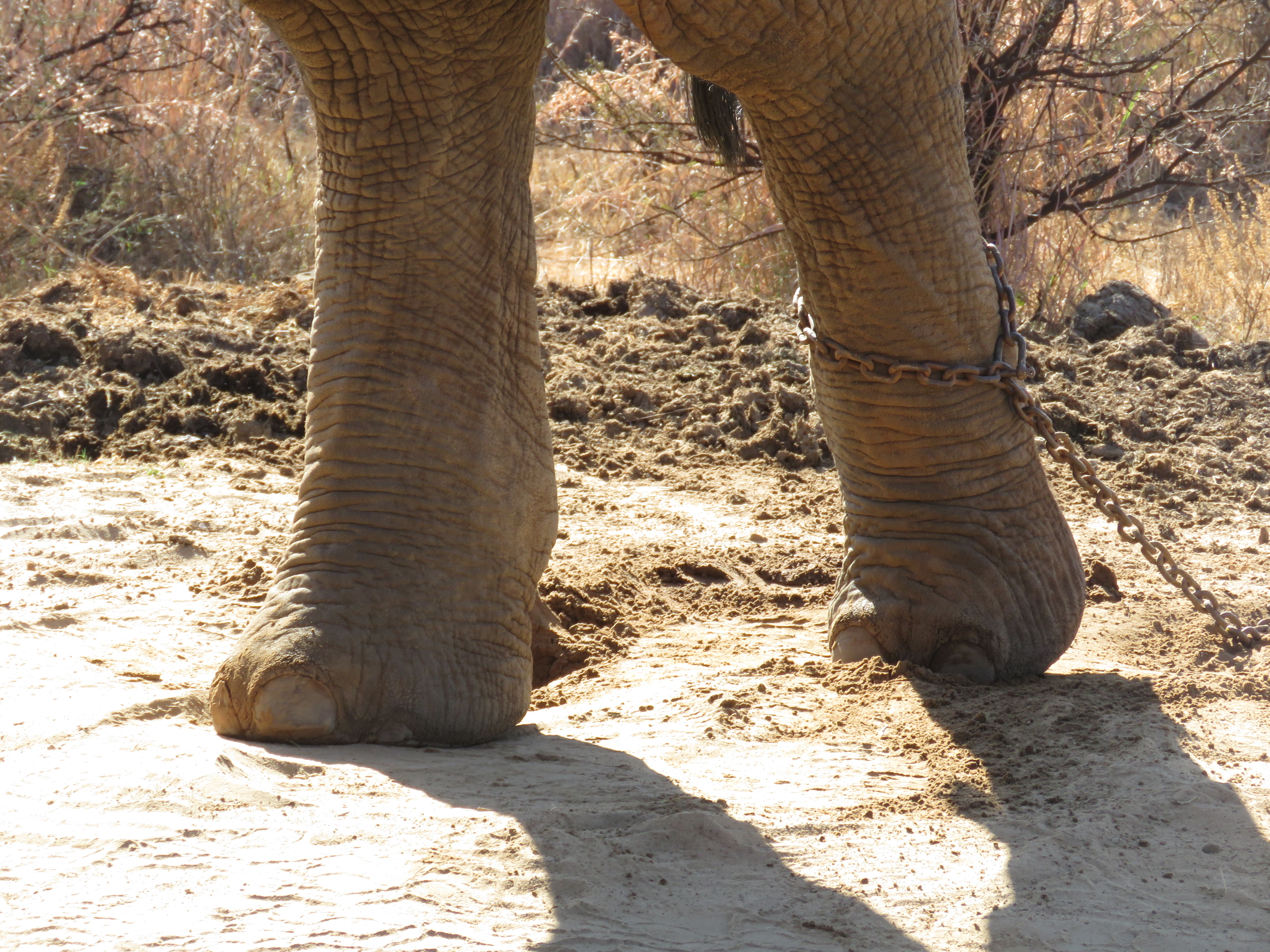
In the early 2000s, approximately 25 captive elephants were imported into South Africa from Zimbabwe. Elephant-back safaris have been established in Zimbabwe since 1995 using elephants captured during culling operations in the 1970s and 1980s. This commercial model was replicated in South Africa, where between 2000 and 2013, additional wild elephants were captured under unethical and inhumane conditions to supply tourism ventures.
In 2008, the South African government introduced “Elephant Norms and Standards” that prohibit the capture of wild elephants for commercial captivity purposes. This reflects an ethical shift in wildlife management and public perception, with many captive facilities globally committing to phasing out the captivity of elephants.
Approximately 90 captive elephants are currently in South Africa, but there is no sustainable plan for their ethical retirement, and their welfare is a pressing concern. The captive elephants in South Africa require health care and psychological support to address their complex welfare needs. Most are forced into roles as species for human entertainment, and those that are no longer economically viable or are difficult to manage risk euthanasia. Increasingly, captive elephant tourism facilities are reverting to selling unwanted elephants into semi-wild facilities. This causes further trauma to the elephants by severing herd bonds and elevates the risk for both humans and elephants.
The urgent need for ethical alternatives in elephant management and tourism emphasises the necessity for prompt intervention and the exploration of rewilding as a humane and sustainable management approach.
Recommended Approach
Rewilding is an ethical management strategy that offers a vision of freedom and dignity for captive elephants. It allows them to roam expansive natural habitats and live without human exploitation while contributing to ecological resilience by providing ecosystem services, such as seed dispersal, creating pathways for other animals to use, and digging waterholes.
 Rewilding Elephants