Our goal aims to transform the landscape of elephant management in South Africa. By establishing a dedicated rewilding reserve, we seek to rewild captive elephants into a natural ecosystem, fostering a thriving population of free-ranging elephants. This initiative sets a global standard for animal welfare and rewilding practices and offers significant ecological, scientific, and community benefits. Through a comprehensive approach that includes the reintegration of elephants, rewilding land, community engagement, and promoting inclusive conservation, we aspire to create a model that protects biodiversity, increases animal welfare, and uplifts local communities. The following outlines the key outcomes and benefits aligned with our objectives.
South African Pride
This endeavour will make South Africa the first country entirely free of captive elephants for human entertainment, a landmark step for elephant welfare globally. This initiative also promotes an inclusive conservation model that fosters a sense of local pride and strengthens the community’s connection with wild elephants. This approach ensures equitable benefit sharing.
A Revolutionary Reserve
The reserve will offer appropriate facilities and expert care to rehabilitate and re-wild elephants through a phased approach, supporting their journey toward a life independent of people.
Free-ranging Elephants
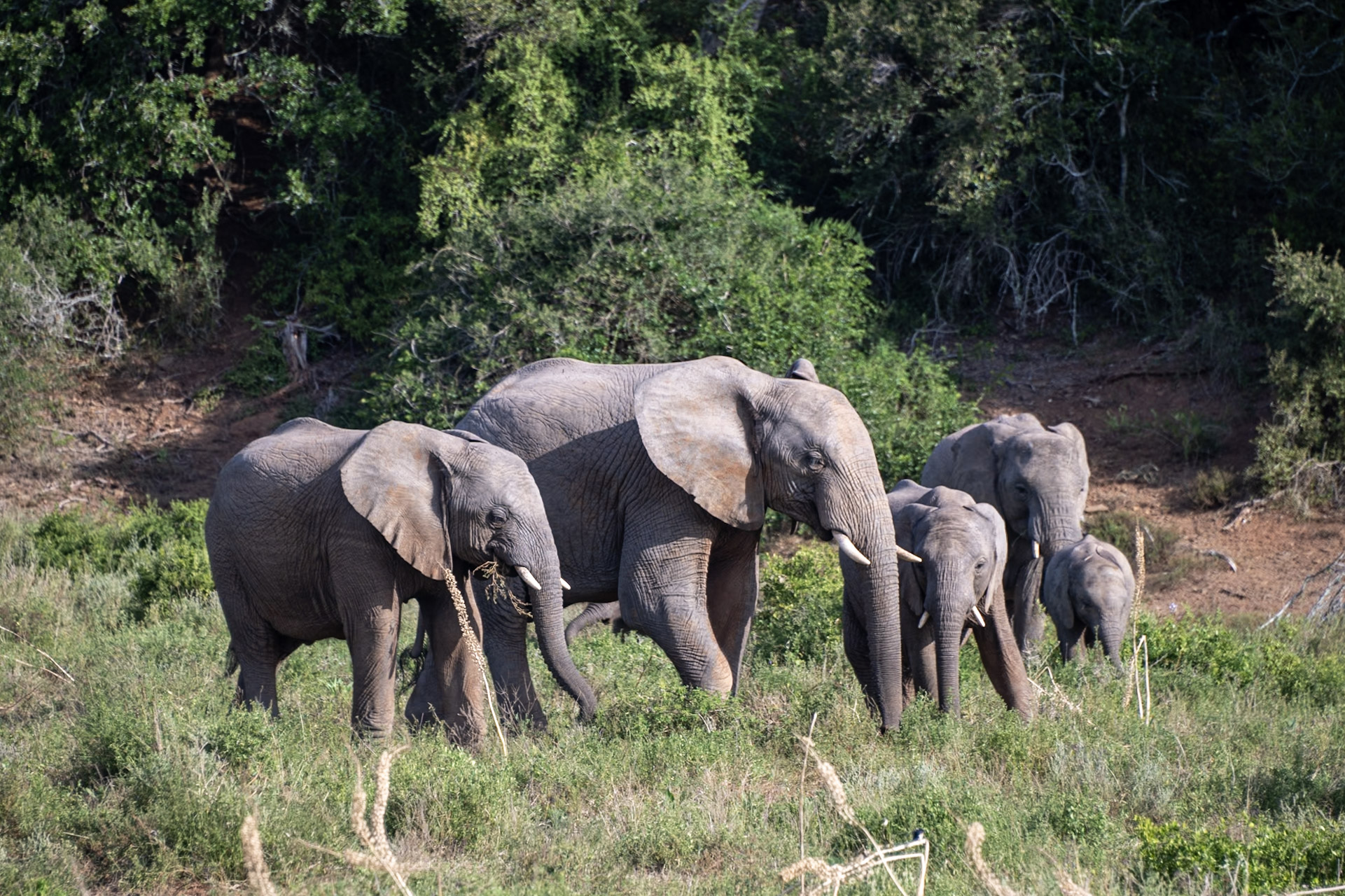
The reserve will support the creation of a fully integrated and balanced population of free-ranging elephants living in natural herds within a thriving ecosystem. It will be the most extensive of its kind, offering captive elephants a life free from exploitation and a chance to flourish in their natural habitat, surrounded by other elephants.
Global Elephant Welfare Model
As the use of captive elephants for commercial gain and tourism in South Africa gradually phases out, the reserve will provide a national alternative for remaining captive elephants and serve as a global model for elephant rewilding and the eventual discontinuation of their involvement in captive tourism.
Community-based Conservation
The reserve will offer employment, cultural, and educational opportunities to engage local communities in conservation efforts. These initiatives include inclusive workshops, training, and capacity-building programs.
Education
Community engagement and education are integral to our mission. We aim to involve local communities through interactive educational programs, fostering a deeper understanding of elephant biology, behaviour, and conservation.
The reserve will also host veterinary, biology, and conservation students, providing hands-on training and education in a real-world setting.
Scientific Contribution
Our vision is to create a space where science and conservation work together to heal and preserve wilderness and wildlife, setting a global example for ethical and effective wildlife management. This initiative will contribute to scientific knowledge of elephant rehabilitation, reintegration, and welfare standards. Innovative research, scientific publications, and various forms of media communication will support the elephant welfare model.
The reserve will also bring needed research and veterinary resources to the Eastern Cape. Planned facilities include a research laboratory, administrative facilities for data and monitoring equipment, a veterinary facility, and a bioanalysis lab.
Expand Biodiversity Zones
As the reserve evolves, previously degraded land will start to regenerate, and natural ecological processes will be rejuvenated. Elephants, acting as agents of trophic rewilding and keystone species, will play a critical role in this transformation through seed dispersal, creating pathways and waterholes, and opening areas within dense vegetation (van de Water, et al., 2022; Gordon et al., 2023). This is particularly significant in the Albany Thicket Biome, contributing to landscape creation and ecosystem diversity. Concurrently, other species may naturally return or see their populations increase within the area, or they could be actively reintroduced alongside the elephants to enhance ecosystem services and biodiversity further.
Create Wildlife Corridors
Potential corridor areas may be identified through the elephants’ role as “trailblazers,” reconnecting fragmented patches of habitat to create a viable, extended habitat, facilitate natural migrations, and ensure healthy, well-balanced elephant populations and landscapes.
 Rewilding Elephants